
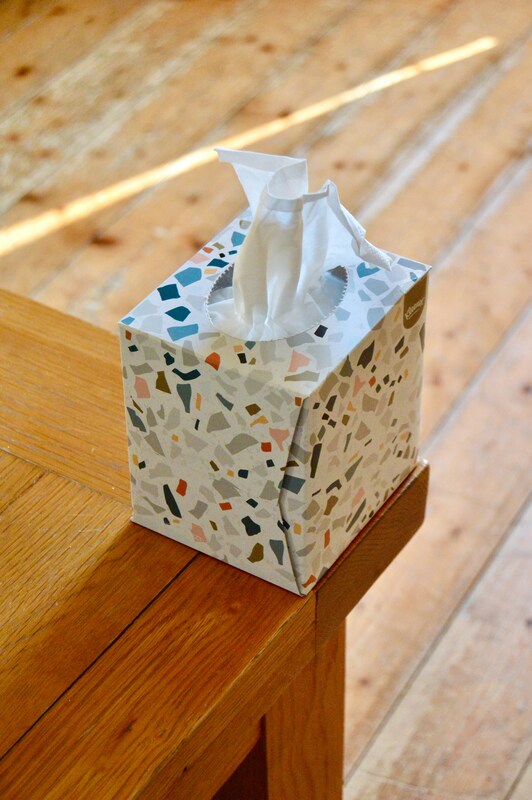
A tissue box is a container designed to store and dispense facial tissues — soft, disposable paper products commonly used for hygiene purposes. While simple in function, tissue boxes have evolved in design, materials, and usage over time, making them both a functional item and a design element in many homes and public spaces.
🧵 Contents of a Tissue Box
🧵 Contents of a Tissue Box
- Facial Tissues: Thin, soft, lightweight paper sheets.
- Ply Count: Typically 1-ply, 2-ply, or 3-ply — more plies mean more absorbency and softness.
- Interfolded or Pop-Up Tissues: Arranged to pull one at a time.
|
Types of Tissue Boxes1. Standard Rectangular Box
📦 Outer Packaging:
|

🧼 Primary Uses of Tissues in a Box
🎨 Aesthetic and Cultural Significance
- Facial cleaning: Wiping nose, face, or hands.
- Makeup removal.
- Cleaning eyeglasses or screens.
- Light cleaning tasks.
- Covering sneezes and coughs (hygiene).
🎨 Aesthetic and Cultural Significance
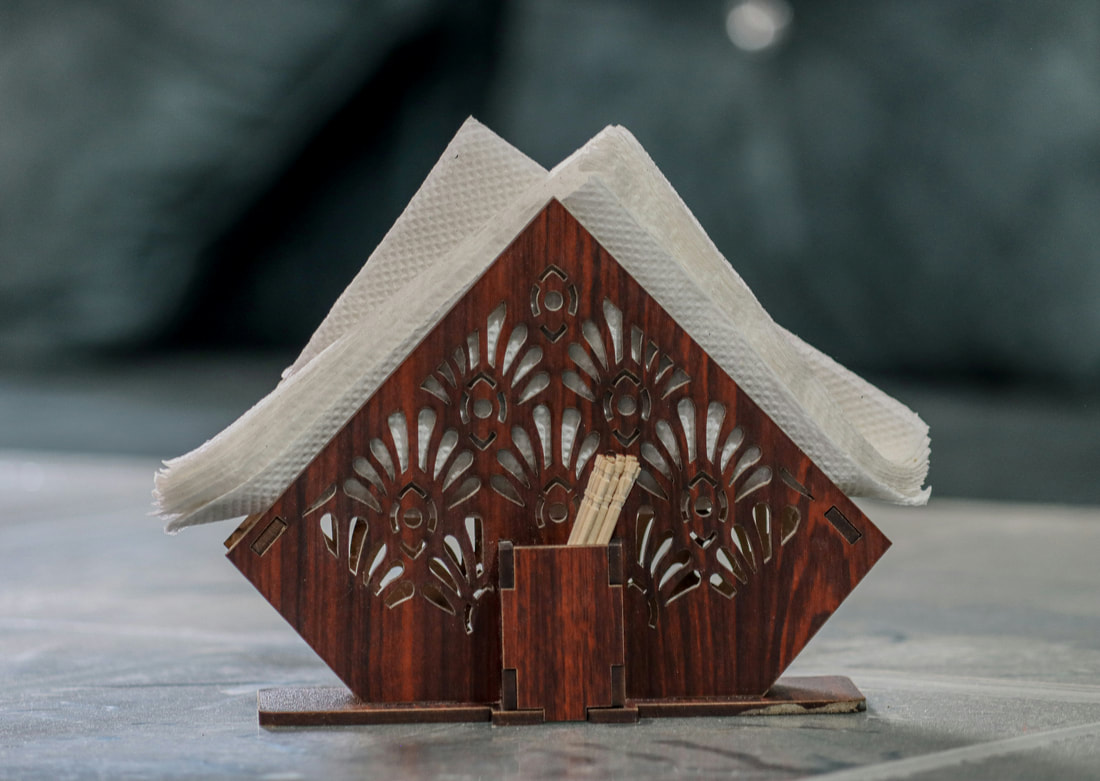
- Design Element: Tissue boxes often match interior decor, with seasonal prints, minimalistic styles, or luxury finishes.
- Gift Item: In some cultures, especially in parts of Asia, tissue boxes are common housewarming or business gifts.
- Symbol of Hospitality: Offering tissues is seen as a gesture of care and cleanliness.
🛠️ Tissue Box Innovations
⚙️ How the Dispensing Mechanism Works
|
🌱 Environmental Considerations💚 Eco Issues:
|